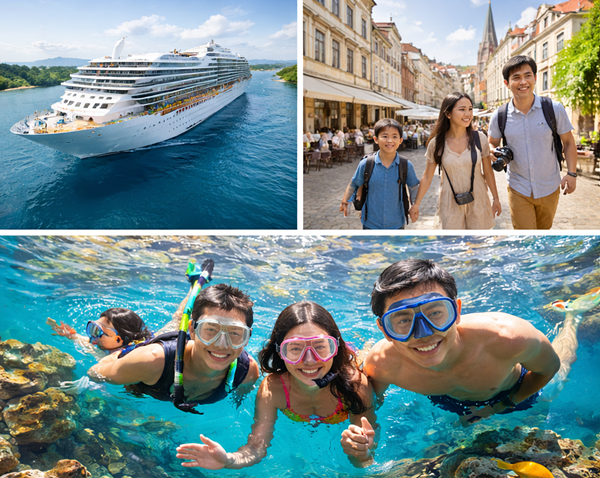
June school holidays are the perfect time for families to embark on unforgettable adventures. Whether you’re considering a cruise that sails across multiple destinations or a traditional land-based holiday that dives deep into local culture, choosing the right type of trip can maximize both enjoyment and learning opportunities for children. In this guide, we explore both options, share tips for planning, and highlight the educational benefits of travel during the school break.
1. Cruise Holidays: Learning on the Move
Cruises have evolved far beyond simple vacations, they now offer immersive experiences that combine leisure, education, and adventure. Modern cruise ships are like floating cities, offering a wealth of hands-on, educational activities for children and teens.
Educational Opportunities Onboard
Many cruise lines now provide curated learning experiences, making a voyage at sea a chance to expand knowledge in fun ways:
- STEM Workshops: Hands-on science experiments, robotics challenges, and astronomy sessions teach kids practical skills while keeping them engaged. For example, some ships have astronomy clubs where children can learn to identify constellations through telescopes under the guidance of onboard instructors.
- Cultural and Language Programs: Shore excursions often include visits to historical landmarks, local schools, and cultural workshops where children can learn basic phrases in the local language or participate in traditional crafts.
- Creative Arts and Performance: Cruises now often feature interactive art, music, and theater workshops. Productions inspired by famous stories such as Charlie and the Chocolate Factory allow children to explore storytelling, acting, and performance art firsthand.
Family-Friendly Features
Cruise ships cater to families with children of all ages. Features include:
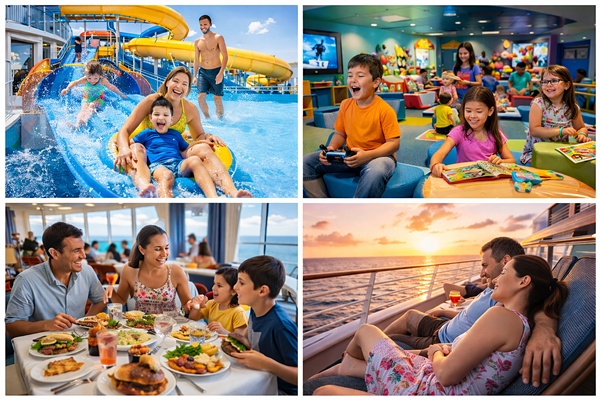
- Dedicated kids’ clubs with age-specific activities.
- Teen lounges for socializing and gaming.
- Family-friendly dining options, with meals suited to picky eaters and themed culinary experiences.
- Onboard excursions designed for educational engagement, such as marine biology tours or local cooking classes.
Planning a Cruise for June Holidays
For families considering a cruise, early planning is crucial, especially during peak school holiday season:
- Book early: School holidays fill cabins quickly, and early bookings often offer better pricing and cabin choice.
- Check age-appropriate programming: Ensure that kids’ clubs, teen zones, and workshops match your child’s age.
- Combine learning and fun: Balance creative, educational activities with leisure time on the deck, at pools, or in entertainment venues.
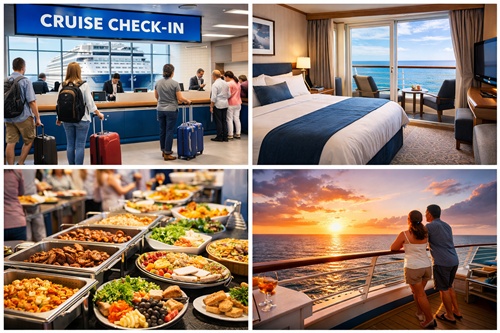
Cruises offer convenience for families: you only need to unpack once while exploring multiple destinations, saving both time and energy. Children can enjoy structured learning programs while parents relax or participate, creating a perfect balance of enrichment and leisure.
2. Traditional Travel: Deep Exploration and Flexibility
While cruises offer a structured, all-in-one experience, traditional travel provides flexibility and in-depth exploration of each destination. This type of travel is ideal for families who want to immerse themselves in local culture, history, and community life.
Educational Opportunities on Land
Land-based travel offers endless possibilities for children to learn while having fun:
- Museums and Science Centers: Children can explore interactive exhibits on history, science, and technology. For example, a visit to a science center with hands-on experiments can ignite curiosity and inspire creative thinking.
- Cultural Immersion: Participating in local festivals, art workshops, or traditional cooking classes exposes children to new cultures, languages, and customs.
- Nature and Environmental Learning: Visits to national parks, wildlife sanctuaries, or eco-tours provide firsthand experiences in biology, ecology, and conservation.
Advantages of Traditional Travel
- Flexibility to spend more time in each location.
- Opportunities to engage with locals for authentic cultural understanding.
- Personalized itineraries tailored to children’s interests.
Planning Traditional Trips for June Holidays
- Choose destinations that are educational and engaging: Museums, historical sites, and cultural activities should complement leisure activities.
- Plan for a balance of activity and downtime: Avoid overloading your schedule, which can exhaust children and reduce enjoyment.
- Prepare logistics carefully: Minimize long travel segments between destinations to keep children comfortable and happy.
3. Combining Cruises and Land Travel: The Best of Both Worlds
Some families opt for a hybrid approach, combining a cruise with a few days of land-based exploration. This allows children to benefit from the structured, multi-destination learning on a cruise while also enjoying deeper, hands-on experiences onshore.
- Example: A 7-day cruise could visit multiple coastal cities, with shore excursions including cultural workshops, historical tours, or environmental exploration. After the cruise, families could spend 2–3 days in one city to explore local museums, culinary schools, or nature reserves in detail.
This combination provides convenience, variety, and educational richness maximizing the learning and enjoyment for the entire family.
4. Educational Benefits of Travel
Regardless of travel style, vacations are a unique way to supplement learning outside the classroom:
- Problem-solving and critical thinking: Children learn to navigate schedules, transportation, and activities in unfamiliar environments.
- Cultural awareness: Exposure to different languages, foods, and traditions fosters empathy and global awareness.
- Creativity and curiosity: Participating in arts, crafts, and hands-on activities sparks imagination.
- Family bonding and social skills: Shared experiences promote collaboration, communication, and emotional intelligence.
Even short trips can leave lasting impressions, inspiring curiosity about the world and encouraging lifelong learning.
5. Making the Right Choice for Your Family
- Cruises: Ideal for families seeking convenience, structured learning, and multi-destination exploration.
- Traditional Travel: Best for families who value flexibility, depth of experience, and hands-on cultural immersion.
- Hybrid Approach: Combines the strengths of both, providing a richer, more balanced experience.
Tips for Parents:
- Start planning early for the June holidays.
- Match the travel style to your children’s interests and energy levels.
- Include educational activities alongside fun, leisure, and cultural experiences.
With careful planning, June school holidays can become a memorable, enriching adventure that combines learning, fun, and quality family time.
******
充分利用六月份学校假期:邮轮旅行 vs 传统旅行
六月份的学校假期是家庭开展难忘旅行的绝佳时机。无论您在考虑穿越多地的邮轮假期,还是深入探索当地文化的传统陆地旅行,选择适合的旅行方式都能最大化孩子的乐趣和学习机会。本指南将帮助您权衡两种选择,分享计划建议,并突出假期旅行的教育价值。
1. 邮轮假期:移动中的学习
现代邮轮早已不仅仅是休闲度假,它们提供结合休闲、教育和冒险的沉浸式体验。邮轮如同漂浮的城市,为儿童和青少年提供丰富的实践教育活动。
船上教育机会
许多邮轮现在提供精心策划的学习体验,使航行成为有趣的知识扩展机会:
- STEM 工作坊:动手科学实验、机器人挑战和天文课程,让孩子在实践中学习。部分邮轮设有天文俱乐部,指导孩子使用望远镜识别星座。
- 文化与语言课程:岸上游览包括参观历史遗迹、学校或文化工作坊,孩子可以学习当地基础语言或参与传统手工艺。
- 创意艺术与表演:邮轮常设互动艺术、音乐及戏剧工作坊。例如受知名故事启发的表演(如《查理与巧克力工厂》),让孩子探索故事创作、表演和艺术技能。
家庭友好设施
邮轮为各年龄段家庭设计:
- 儿童俱乐部,针对不同年龄安排活动。
- 青少年休息区,提供社交和游戏空间。
- 家庭友好餐饮选择,照顾挑食儿童,并提供主题餐饮体验。
- 设计教育性的岸上游览,例如海洋生物探索或烹饪课程。
六月份邮轮规划建议
- 提前预订:学校假期是旺季,舱位紧张,早订可选择更理想舱位并享优惠。
- 检查适龄课程:确保儿童俱乐部、青少年休息区及工作坊适合孩子年龄。
- 平衡学习与娱乐:安排创意和教育活动,同时保留甲板、泳池或娱乐设施的自由时间。
邮轮为家庭提供便利:一次整理行李即可游览多个目的地,孩子在结构化学习计划中玩乐,而父母可放松或参与其中,实现学习与休闲的完美平衡。
2. 传统旅行:深入探索与灵活自由
相比邮轮的结构化体验,传统旅行提供灵活性和对每个目的地的深入探索。它非常适合希望深入了解当地文化、历史和社区生活的家庭。
陆地旅行的教育机会
传统旅行为孩子提供了丰富的学习体验:
- 博物馆与科学中心:孩子可以探索历史、科学和技术的互动展览。
- 文化沉浸:参加当地节庆、艺术工作坊或烹饪课程,接触新的语言、食物和习俗。
- 自然与环境学习:国家公园、野生动物保护区或生态游览让孩子亲身体验生物学、生态学及环境保护。
传统旅行的优势
- 灵活安排每个目的地的停留时间。
- 与当地人互动,获得真实文化体验。
- 可个性化行程,满足孩子兴趣。
六月份传统旅行规划建议
- 选择适合儿童且具教育意义的目的地:博物馆、历史遗址和文化活动应与休闲活动平衡。
- 保持活动与休息平衡:避免行程过于紧凑,确保孩子精力充沛。
- 合理安排交通:减少长途移动,让孩子舒适愉快。
3. 邮轮与陆地旅行结合:最佳选择
一些家庭选择混合旅行方式,先邮轮后陆地旅行。这样孩子可在结构化、多目的地的邮轮学习中受益,同时在岸上获得更深入、实践性的体验。
- 示例:七天邮轮游览多个沿海城市,岸上游览包括文化工作坊、历史遗迹或环保探索。邮轮结束后,再在其中一个城市停留2–3天,深入探索博物馆、烹饪学校或自然保护区。
这种方式结合便利、多样性和教育价值,使整个家庭的旅行体验更加丰富和平衡。
4. 旅行的教育价值
无论旅行方式如何,假期都是课堂外学习的独特机会:
- 问题解决与批判性思维:孩子学会在陌生环境中安排活动、交通和时间。
- 文化认知:接触不同语言、食物和传统,培养同理心和全球意识。
- 创造力与好奇心:参与艺术、手工和互动活动激发想象力。
- 家庭关系与社交技能:共同经历增强沟通、协作和情感智力。
即使是短途旅行,也能留下深刻印象,激发孩子对世界的好奇心和学习兴趣。
5. 如何为家庭做出最佳选择
- 邮轮:适合追求便利、多目的地探索和结构化学习的家庭。
- 传统旅行:适合追求灵活性、深入体验和实践文化的家庭。
- 混合方式:结合两者优势,提供更丰富的体验。
家长小贴士:
- 提前规划六月份假期行程。
- 根据孩子的兴趣和精力选择旅行方式。
- 将教育活动与休闲娱乐、文化体验结合。
通过精心规划,六月份的学校假期可以成为难忘、富有教育意义的家庭旅行体验。
 The Insightful Media
Leave a comment